TEOTWAWKI ?

{The End Of The World As We Know It}
Doomsday predictions on the internet are claims or theories suggesting that the world is going to end or experience a catastrophic event at a specific time.
These predictions often spread quickly online, fueled by fear, misinformation, and sensationalism. Whilst this site attempts to *debunk* these scenarios, here are some common themes and examples:
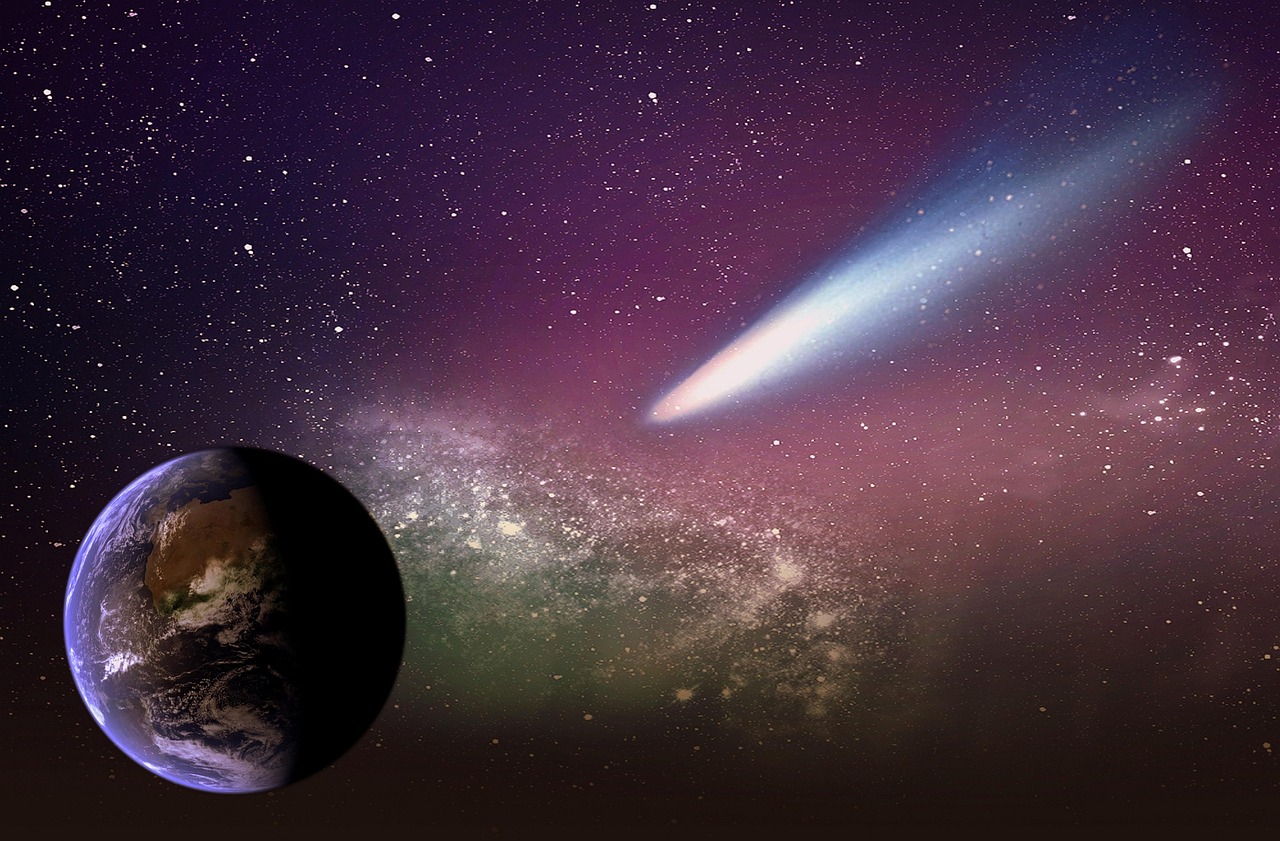
- Asteroids and Comets: Some doomsday theories claim that a massive asteroid or comet is on a collision course with Earth, predicting widespread destruction. While asteroids do pose a genuine risk, space agencies like NASA actively monitor these threats, and any credible danger would be widely reported by scientists.
- Planetary Alignments: Certain predictions suggest that planetary alignments will cause catastrophic events on Earth, such as earthquakes, tsunamis, or even the end of the world. However, as mentioned elshere, there is no scientific evidence linking planetary alignments to such disasters.
- Mayan Calendar (2012): One of the most famous doomsday predictions was based on the end of the Mayan calendar on December 21, 2012. Some believed this date marked the end of the world, but it passed without incident, and experts explained that it simply marked the end of a cycle in the Mayan calendar, not the end of the world.
- Global Catastrophes: Various predictions have warned of global catastrophes, such as supervolcano eruptions, nuclear war, or pandemics, leading to the end of civilization. While these events are possible in theory, specific doomsday dates are usually based on speculation rather than credible evidence.
- Technological Doomsday (AI, CERN, etc.): Some predictions involve fears about advanced technology, such as artificial intelligence (AI) becoming uncontrollable or experiments at places like CERN (the European Organization for Nuclear Research) creating black holes or other catastrophic phenomena. These ideas are largely rooted in misunderstanding or exaggeration of scientific processes.
- Religious or Mystical Prophecies: Many doomsday predictions are tied to religious or mystical beliefs, claiming that ancient prophecies or supernatural signs indicate the end times. These are often based on interpretations of religious texts and lack scientific basis.
Why Doomsday Predictions Persist:
- Psychological Appeal: Doomsday scenarios tap into deep-seated fears and anxieties, making them compelling for some people.
- Media and Internet Spread: The internet and social media amplify these predictions, allowing them to reach a wide audience quickly.
- Confirmation Bias: People who are already inclined to believe in catastrophic events may seek out information that confirms their beliefs, reinforcing the predictions.
- Sensationalism: Some individuals or groups may promote doomsday predictions for attention, financial gain, or influence.
Reality Check:
-
Despite the frequent appearance of doomsday predictions, none have come true. Scientific understanding and critical thinking are essential in evaluating such claims. Most predictions are based on pseudoscience, misinterpretations, or outright fabrications, and the actual risks to humanity are usually well-understood and managed by experts.
⇒*"Debunking" refers to the process of exposing the falseness or misconceptions surrounding a claim, theory, or belief. It involves critically analyzing evidence, using scientific reasoning, and providing factual information to clarify or refute a false narrative.

Future Asteroid Near ApproachView All

No Current Threats
As of 24 February 2025: 2024 YR4 is now Demoted to Zero on the Torino Scale, now at 1 in 26,000 odds of impact.
Latest Articles
- Project Looking Glass Debunked: No Evidence of Time-Viewing Technology
- Will Robots Replace Humans? A Calm, Reality-Based Look at the Fear
- Is Today Really Worse Than the Cold War?
- Did the Hopi Really Predict the End of the World?
- Did a Cosmic Plasma Event Destroy an Ice Age Civilization?
- Is the Big Crunch Just a Theory — or Could the Universe Actually Collapse?