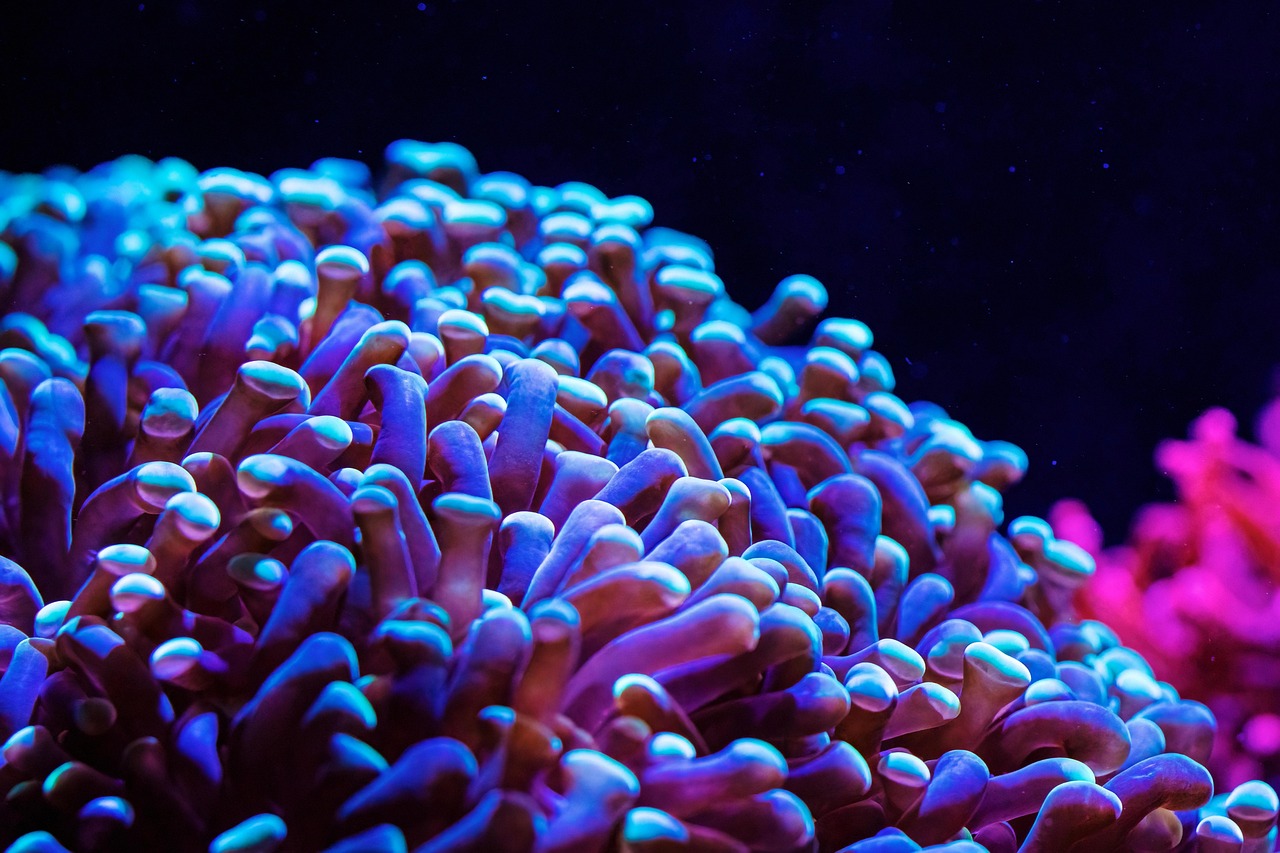
🪸 Are coral reefs doomed forever?
No. Corals are damaged, stressed, and declining — but they are not extinct, not universally dead, and not beyond recovery.
What is true:
- Many reefs have suffered severe bleaching
- Some local reefs will not recover
- The overall trend is negative
What’s not true:
- That all reefs are dead
- That recovery is impossible
- That nothing we do matters anymore
🌡️ What’s actually killing reefs
- Rising ocean temperatures (main driver)
- Marine heatwaves
- Ocean acidification
- Pollution and sediment runoff
- Overfishing
Bleaching happens when corals eject the algae they rely on. Bleached coral isn’t dead — but if heat stress lasts too long, it can die.
🔁 Can reefs recover?
Yes — under the right conditions.
We’ve seen:
- Reefs partially recover after bleaching
- Some corals adapt better to heat
- “Refuge” reefs survive in cooler or deeper waters
But recovery depends on:
- Temperature stabilizing
- Reduced local stress (pollution, fishing damage)
- Time between heat events
Right now, heatwaves are coming too often, which is the biggest problem.
⚠️ So where does the “point of no return” idea come from?
It’s a simplification.
Scientists warn that if warming exceeds ~1.5–2°C long-term, many reef systems may collapse at large scales. That doesn’t mean every coral dies, but that reefs stop functioning as ecosystems.
That’s a risk, not a confirmed outcome yet.
🎯 The honest bottom line
- Some reefs are gone
- Many are badly damaged
- Others can still survive and recover
- Human choices in the next few decades matter a lot
Calling reefs “beyond saving” is scientifically inaccurate — and actually harmful, because it promotes giving up.