1. Our Brains Are Wired for Bad News
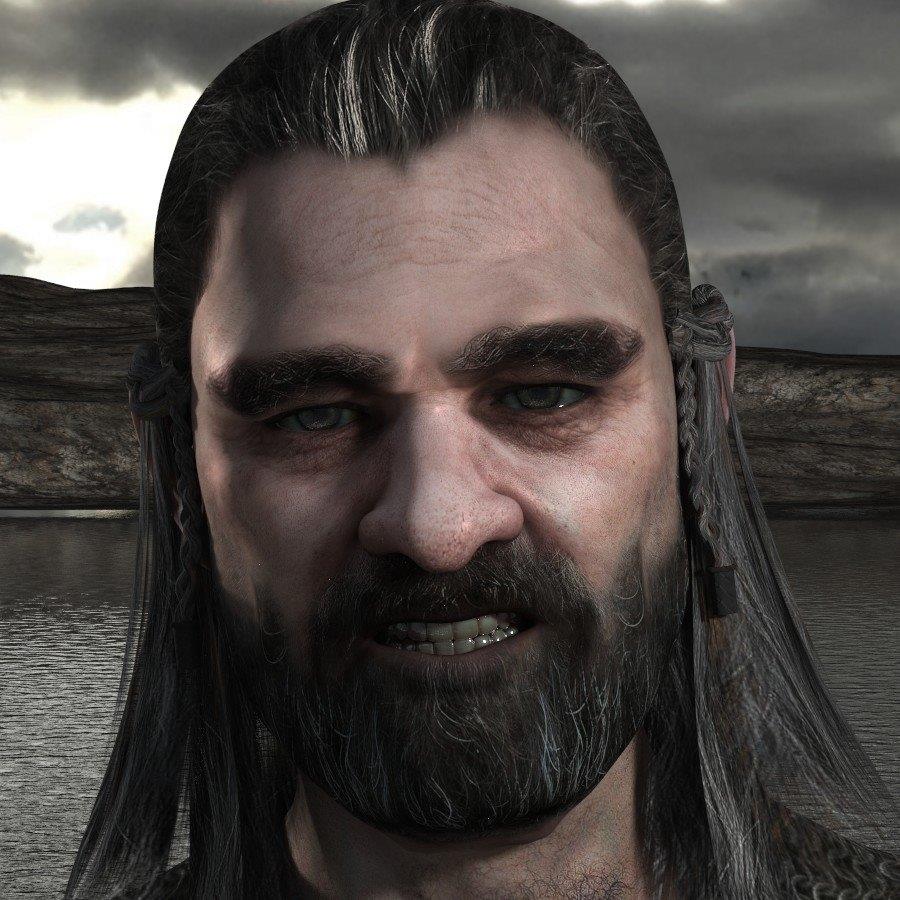
Humans evolved to pay attention to danger. For our ancestors, ignoring a threat could literally be fatal.
Today, there’s no tiger hiding in the bushes — but our brains react to alarming headlines almost the same way.
Negative information triggers our threat-detection system. Once it’s active, we feel compelled to keep gathering information… just in case.
2. Uncertainty Makes Us Seek Answers
Whenever the world feels chaotic — pandemics, wars, elections, disasters — our brains hate the feeling of “not knowing.”
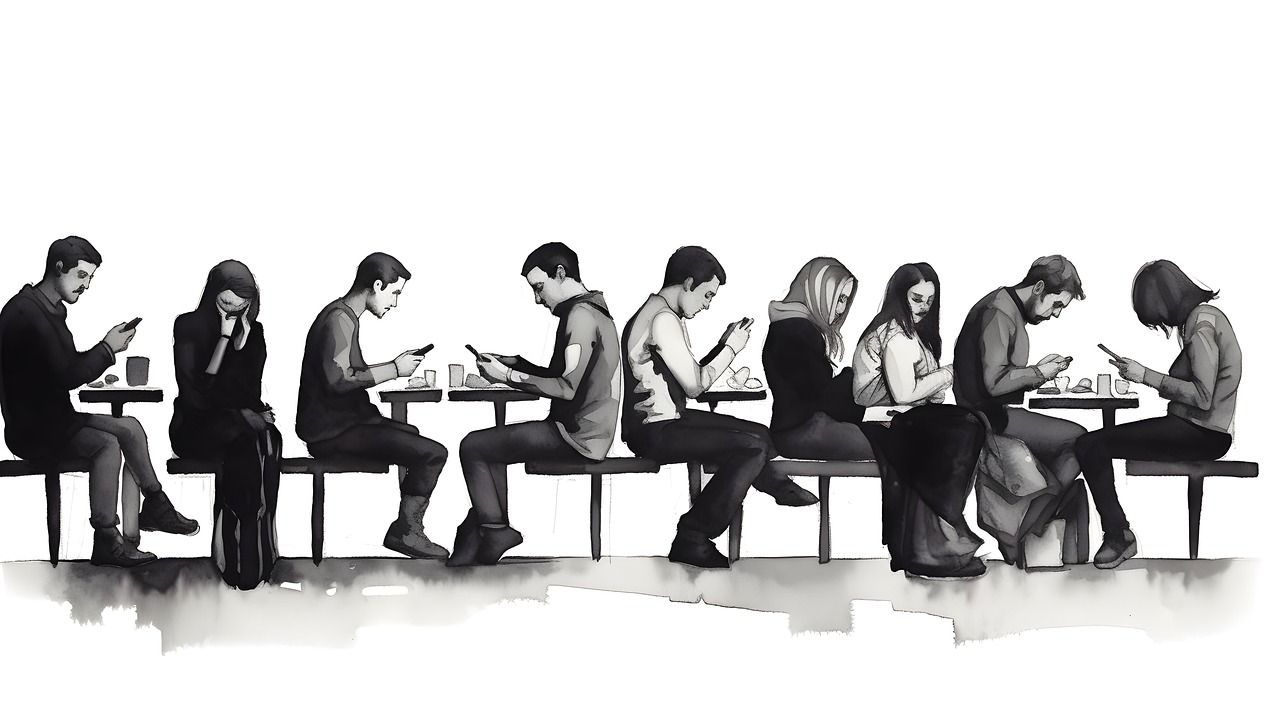
So we scroll.
We tell ourselves we’re looking for clarity or reassurance. Instead, we often end up consuming more fear, more speculation, and more worst-case scenarios. The search for control becomes a trap.
3. Social Media Feeds the Cycle
Platforms are built to keep us engaged, and unfortunately, negative content performs really well.
Bad news spreads faster.
Dramatic posts get more reactions.
Algorithms notice and keep serving the same stuff back to you.
Before you know it:
Stress → scroll → more stress → keep scrolling.
4. Doomscrolling Feels Weirdly Productive
Even though it’s draining, doomscrolling feels like doing something. You’re keeping up with events, staying informed, staying alert.
It’s fake productivity — but the brain doesn’t always tell the difference.
5. Everyone Does It (and You’re Not Broken)
Doomscrolling isn’t a personal flaw. It’s a natural human response amplified by modern technology.
Feeling overwhelmed or anxious from it doesn’t mean you’re weak — it means you’re normal.
The key is catching yourself in the loop and balancing the heavy content with boundaries, breaks, and more grounding parts of your life.
