Natural Phenomenon
Natural phenomenon conspiracy theories are ideas that claim natural events, like weather, earthquakes, or other natural occurrences, are secretly caused or manipulated by governments or other powerful groups. Here are a few examples in simple terms:
-
HAARP and Weather Control: Some people believe the HAARP project in Alaska can control the weather, causing storms or earthquakes, even though it’s just a scientific research facility studying the atmosphere.
-
Chemtrails: This theory claims that the white trails left by airplanes are actually chemicals being sprayed by the government for mind control or weather control. In reality, they are just water vapor from the plane’s engines.
-
Hurricane Creation: Some think that powerful hurricanes are artificially created by governments using secret technology, but hurricanes are natural events caused by ocean and atmospheric conditions.
-
Earthquake Machines: There’s a belief that governments have machines that can trigger earthquakes, but there’s no evidence that such technology exists or is even possible.
- Flat Earth and Gravity Denial: Some conspiracy theorists believe the Earth is flat and that gravity is a made-up concept, even though both ideas have been proven wrong by centuries of scientific research.
These theories persist because of mistrust in authorities, fear of the unknown, and misunderstandings of science. However, there’s no scientific evidence to support them, and natural events are well-understood as being caused by natural processes.
- Details
-
 By Sæbjörn Leafslayer
 - Parent Category: Natural Events
- Category: Space-Based or Other Cosmic Hazards
- 733
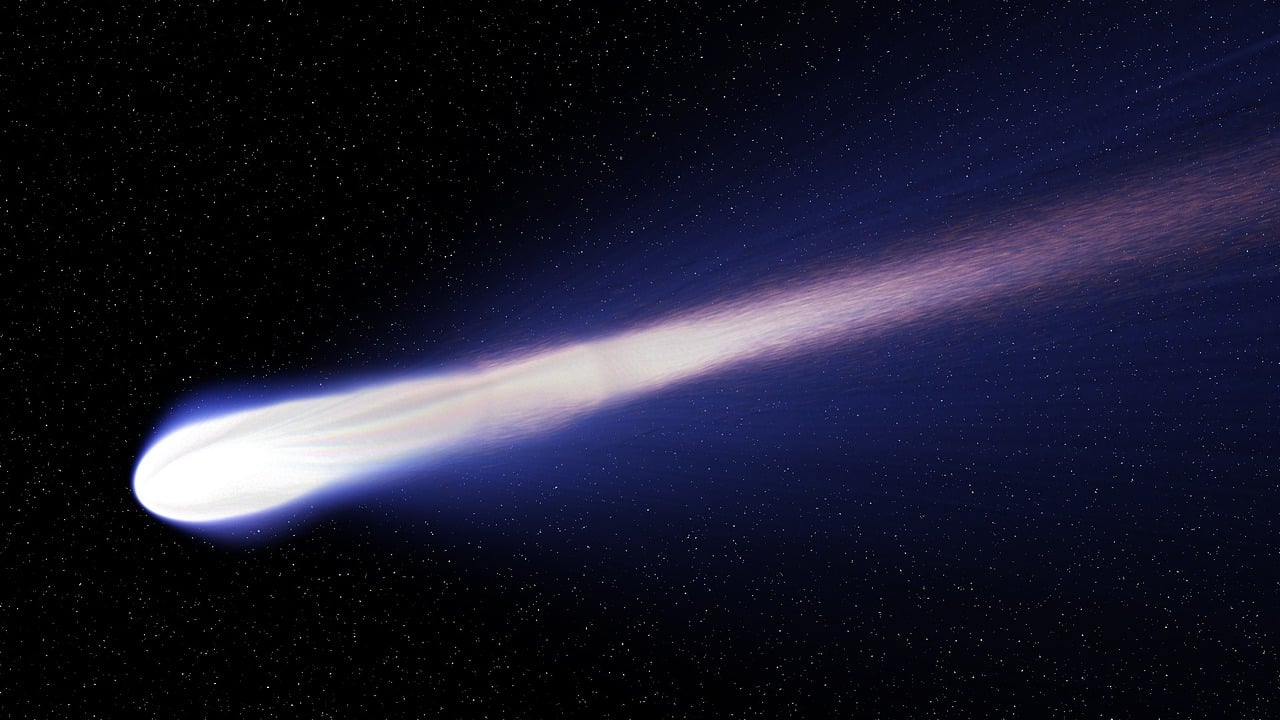
The possibility of a huge comet striking Earth is a real but statistically rare event. Earth has been hit by comets and asteroids multiple times throughout its history, some of which have had significant effects on the planet’s environment and life. Here's a breakdown of what we know about the potential for such an event and how we are preparing for it:
Read more: Preparing for Potential Comet Impacts: Monitoring, Detecting, and Defending Earth
- Details
-
By Sæbjörn Leafslayer
- Parent Category: Natural Events
- Category: Space-Based or Other Cosmic Hazards
- 678
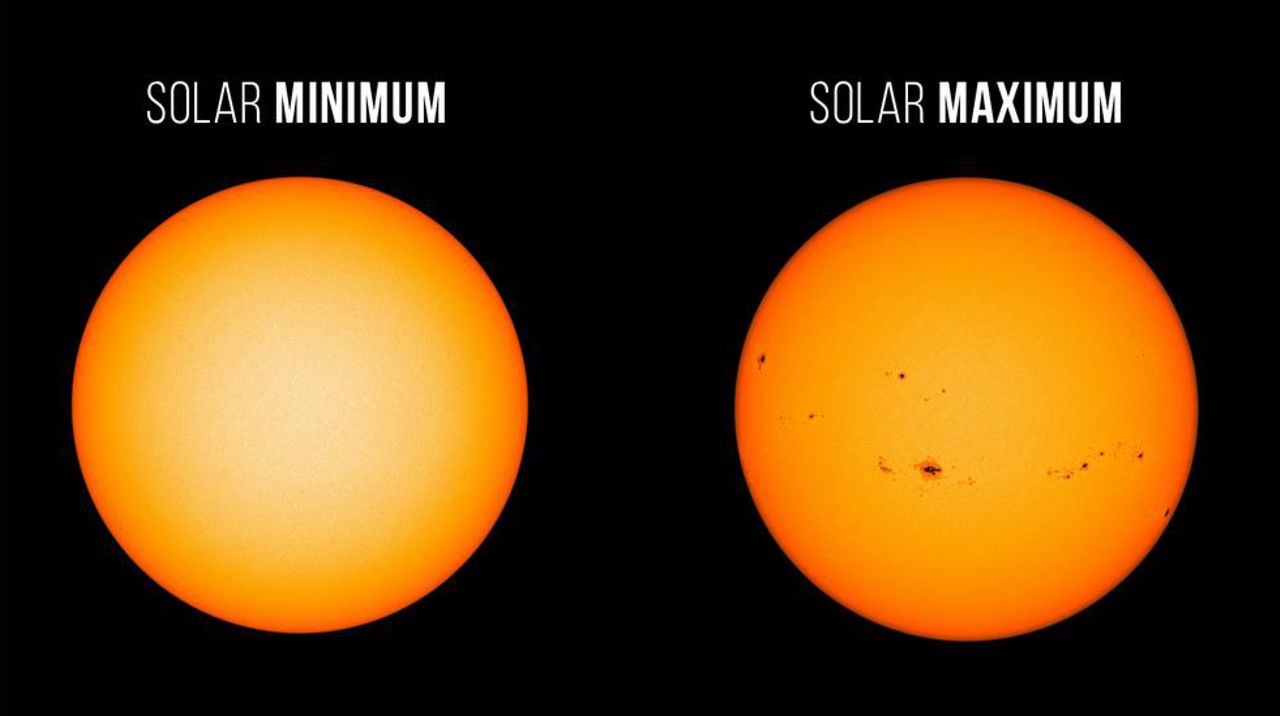
The Sun reaching its solar maximum marks the peak of its 11-year solar activity cycle, where sunspots, solar flares, and coronal mass ejections (CMEs) are at their highest. The solar maximum is the most active phase of the solar cycle (also known as the solar magnetic activity cycle). Here’s what typically happens after the Sun reaches its solar maximum:
Read more: The Solar Cycle: From Maximum to Minimum and Beyond

- Details
-
By Sæbjörn Leafslayer
- Parent Category: Natural Events
- Category: Space-Based or Other Cosmic Hazards
- 801
A Julian date (JD) is a continuous count of days and fractions of a day since a starting point in time. It’s primarily used in astronomy, science, and other fields where precise timekeeping is important. Here’s a breakdown of the Julian date system:
Read more: Understanding the Julian Date System: A Simplified Guide
- Details
-
By Sæbjörn Leafslayer
- Parent Category: Natural Events
- Category: Space-Based or Other Cosmic Hazards
- 760
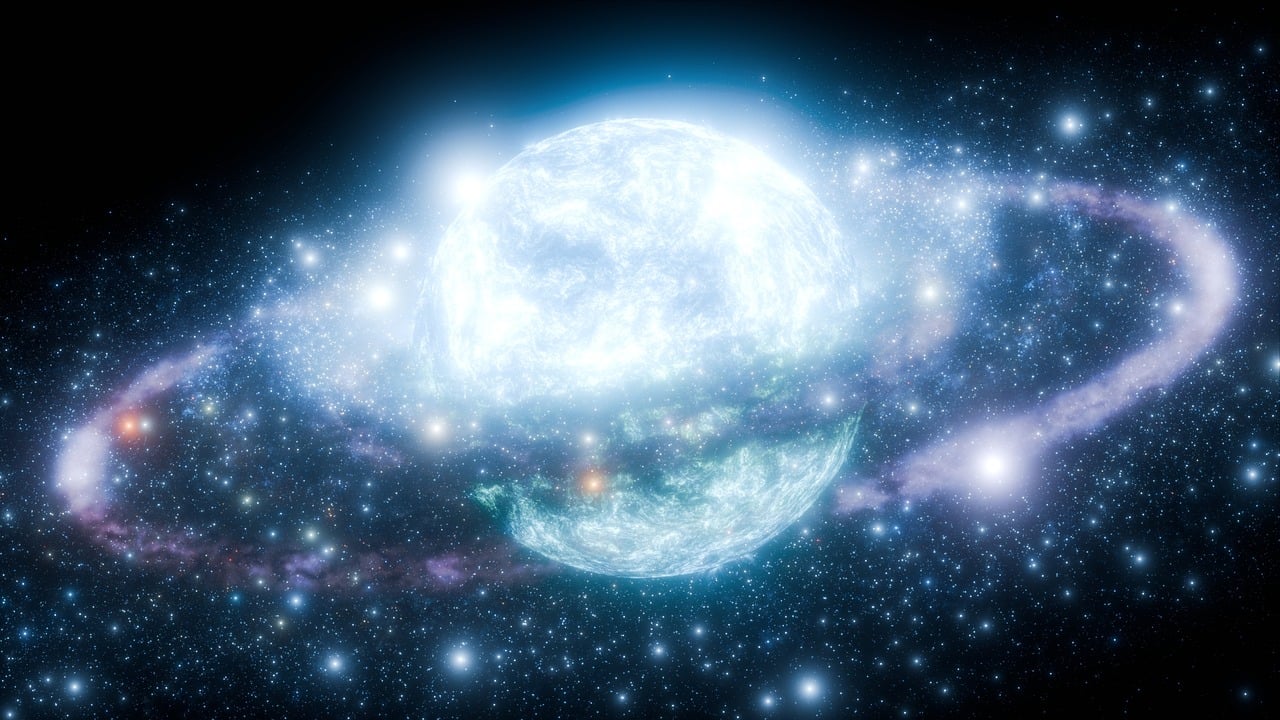
RX J1856.5-3754 is a type of neutron star known as an isolated neutron star or sometimes called a "magnificent seven" member, which is a group of X-ray emitting neutron stars. It is located approximately 400 light-years away from Earth in the constellation Corona Australis. Despite being a relatively close astronomical object, it poses no danger to Earth.
Here are some key points to consider:
- Details
-
By Sæbjörn Leafslayer
- Parent Category: Space-Based or Other Cosmic Hazards
- Category: Asteroids, Comets & Meteors
- 959
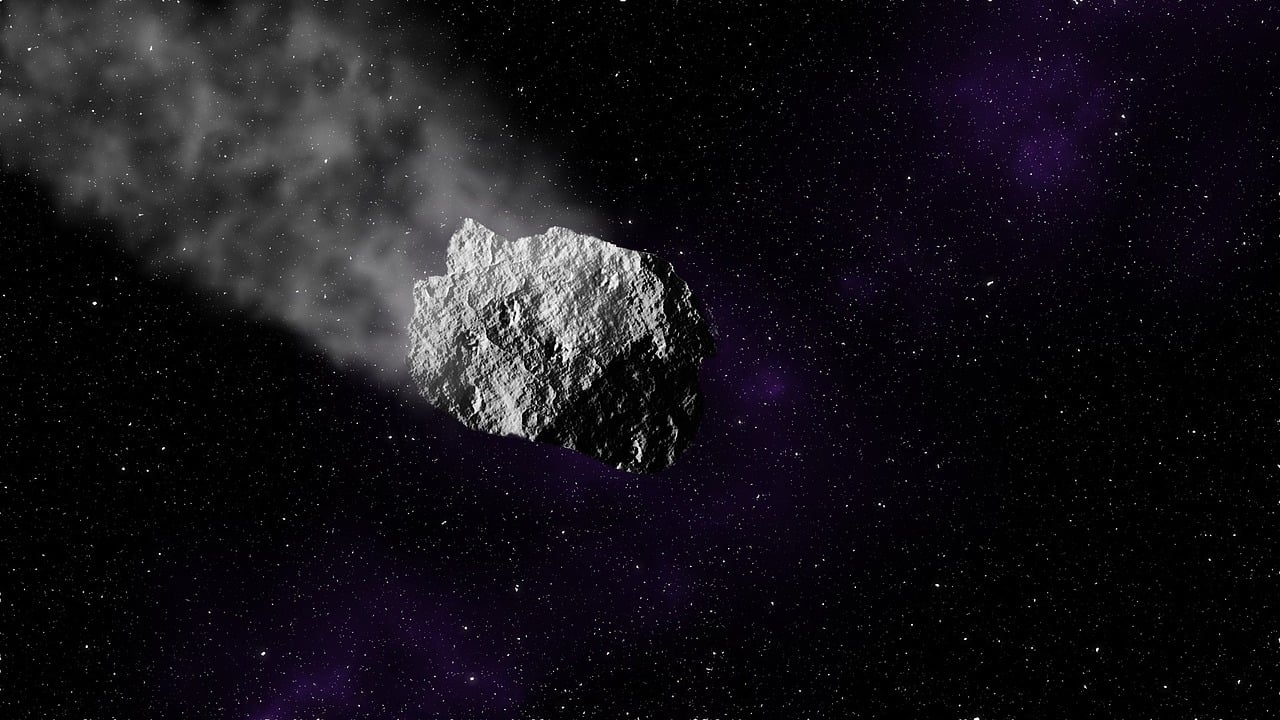
Asteroid 2024 YR4 is a near-Earth object that has garnered significant attention due to its potential risk of impacting Earth. Here's what we know so far:
Read more: Asteroid 2024 YR4: Potential Threat Assessment and Response Plan
- Details
-
By Sæbjörn Leafslayer
- Parent Category: Space-Based or Other Cosmic Hazards
- Category: Asteroids, Comets & Meteors
- 827
Asteroid Apophis (officially known as 99942 Apophis) has sparked considerable interest due to its size and its initially alarming projections for a potential Earth impact. When it was first discovered in 2004, early estimates suggested a relatively high probability of Apophis hitting Earth in 2029. However, further observations and calculations have significantly reduced the likelihood of any impact, both in the near and distant future.
Read more: Apophis: Large Asteroid Poses No Threat to Earth's Safety.
- Details
-
By Sæbjörn Leafslayer
- Parent Category: Natural Events
- Category: Volcano
- 665
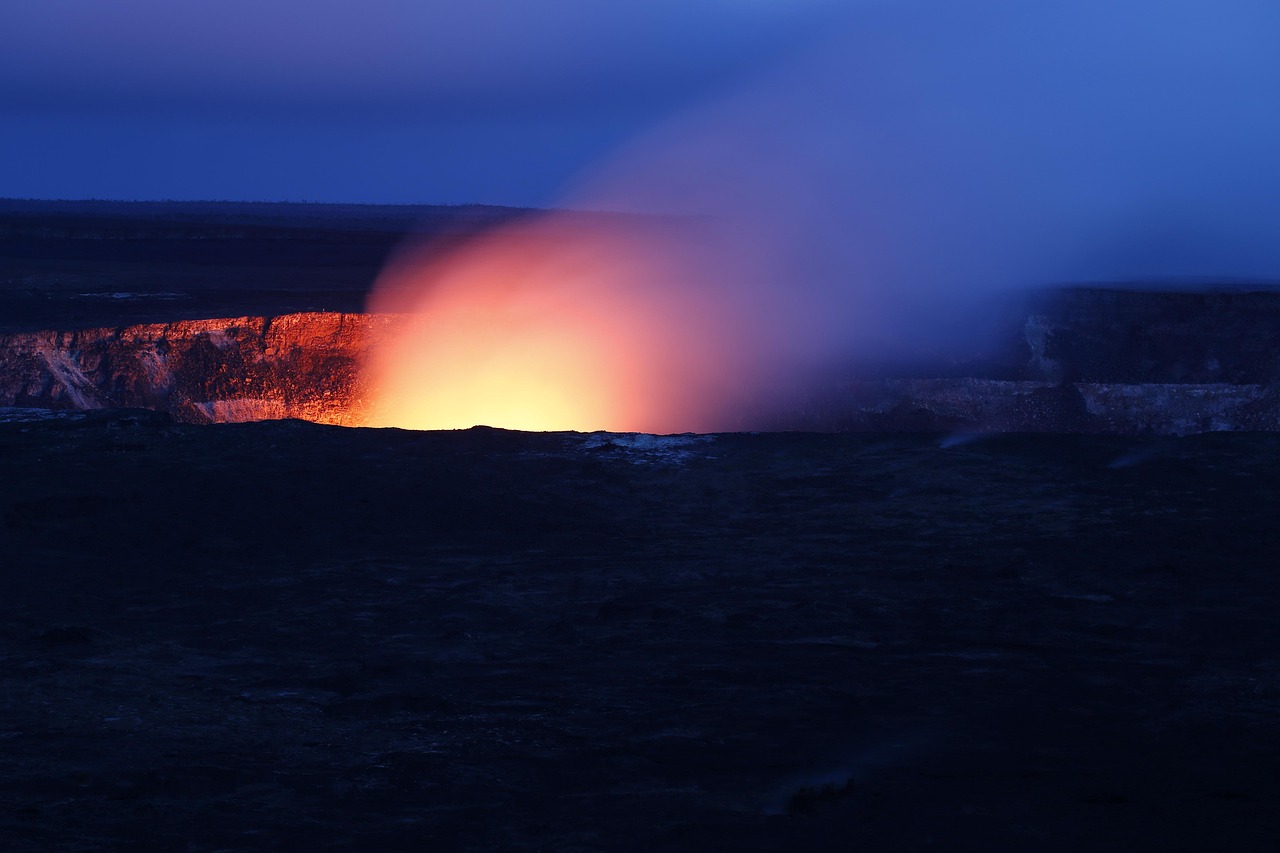
There is no definitive scientific evidence proving that an eruption at one volcano can directly trigger another eruption hundreds or thousands of kilometers away or on a different continent.
Read more: Volcanoes Have Limited Global Impact: Dispelling Common Misconceptions
- Details
-
By Sæbjörn Leafslayer
- Parent Category: Natural Events
- Category: Volcano
- 716
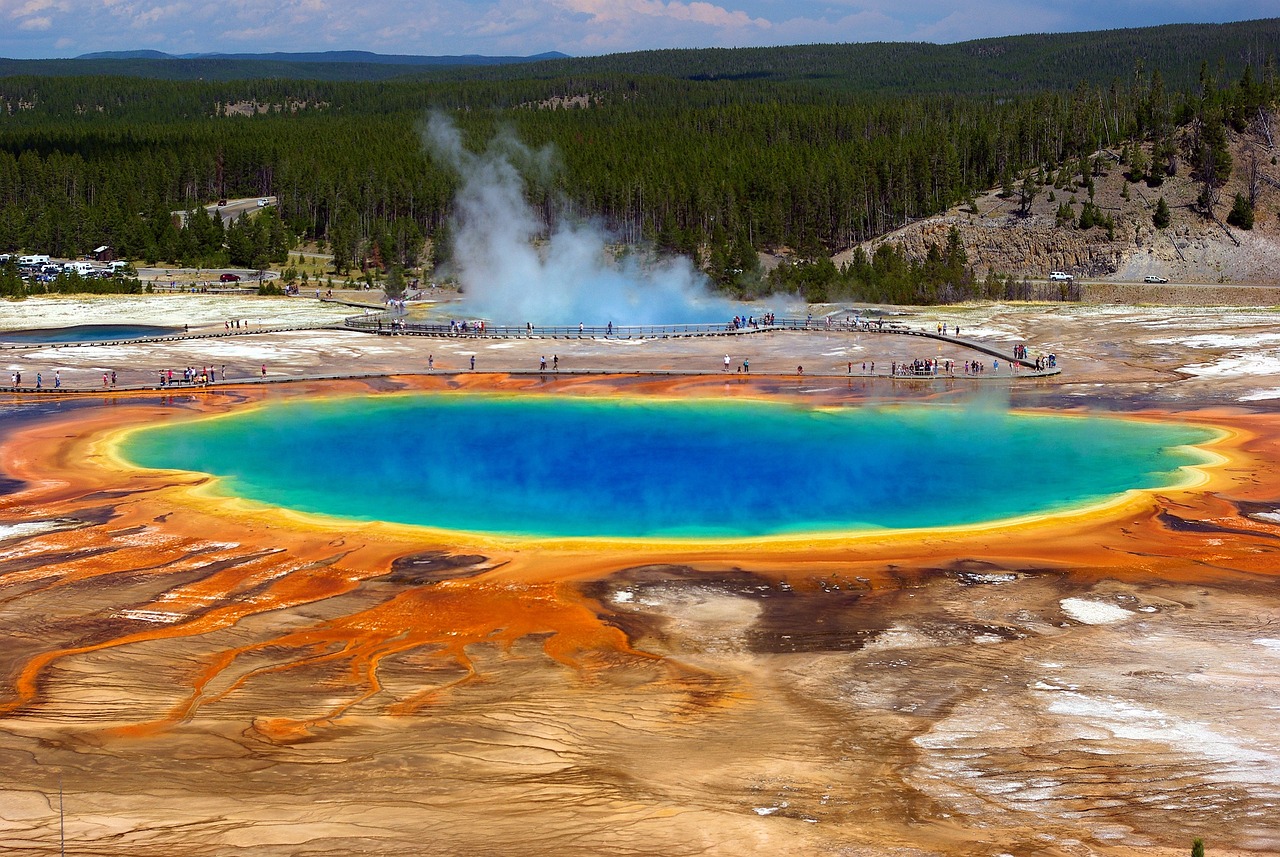
Recent studies and ongoing monitoring suggest that the Yellowstone supervolcano, located primarily in Wyoming, shows no signs of an imminent eruption. The likelihood of a catastrophic eruption in the near future is extremely low, and here's why:
Read more: Yellowstone Supervolcano: No Signs of Imminent Eruption