Space-Based or Other Cosmic Hazards
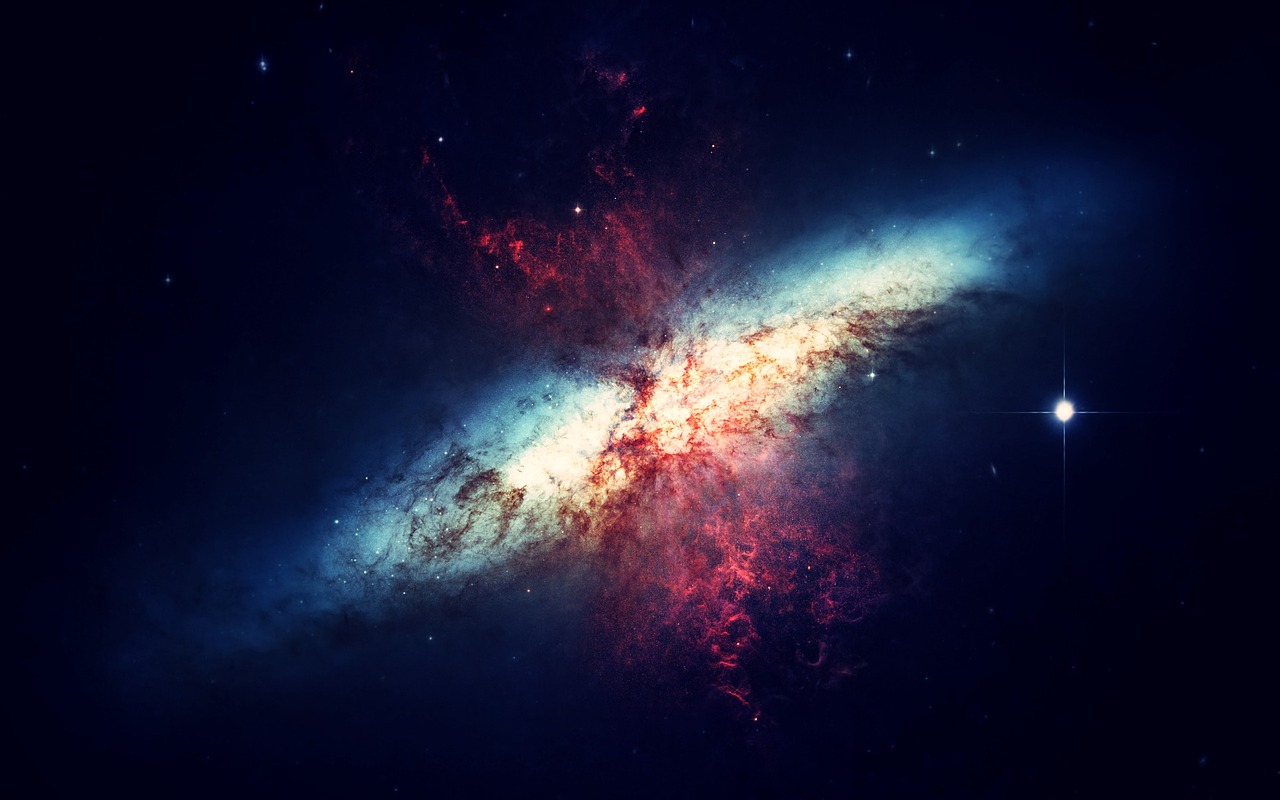
Space-based threats, or cosmic hazards, are natural or artificial dangers that originate from outer space and could potentially affect Earth. These threats range from natural phenomena like asteroids and solar flares to human-made dangers like space debris and the militarization of space. Below are some of the most significant space-based threats:
The risks associated with space-based threats such as solar flares, gamma-ray bursts, supernovae, rogue planets, black holes, space debris, militarization of space, and climate change impacting space systems are varied and present potential challenges for Earth and its inhabitants. While some of these risks have the potential for significant consequences, the likelihood of certain events occurring is relatively low. Efforts in monitoring, mitigation, and international cooperation are essential to address these threats and ensure the safety and sustainability of space activities in the future.
Space-based threats are varied, ranging from predictable natural phenomena like solar flares to speculative dangers like rogue planets or extraterrestrial contact. While many of these threats are actively monitored, humanity's ability to prevent or mitigate them is still developing. Agencies such as NASA, ESA, and private entities are continually working to improve monitoring, defense, and adaptation strategies to handle these cosmic hazards.
- Details
-
 By Sæbjörn Leafslayer
 - Parent Category: Natural Events
- Category: Space-Based or Other Cosmic Hazards
- 705
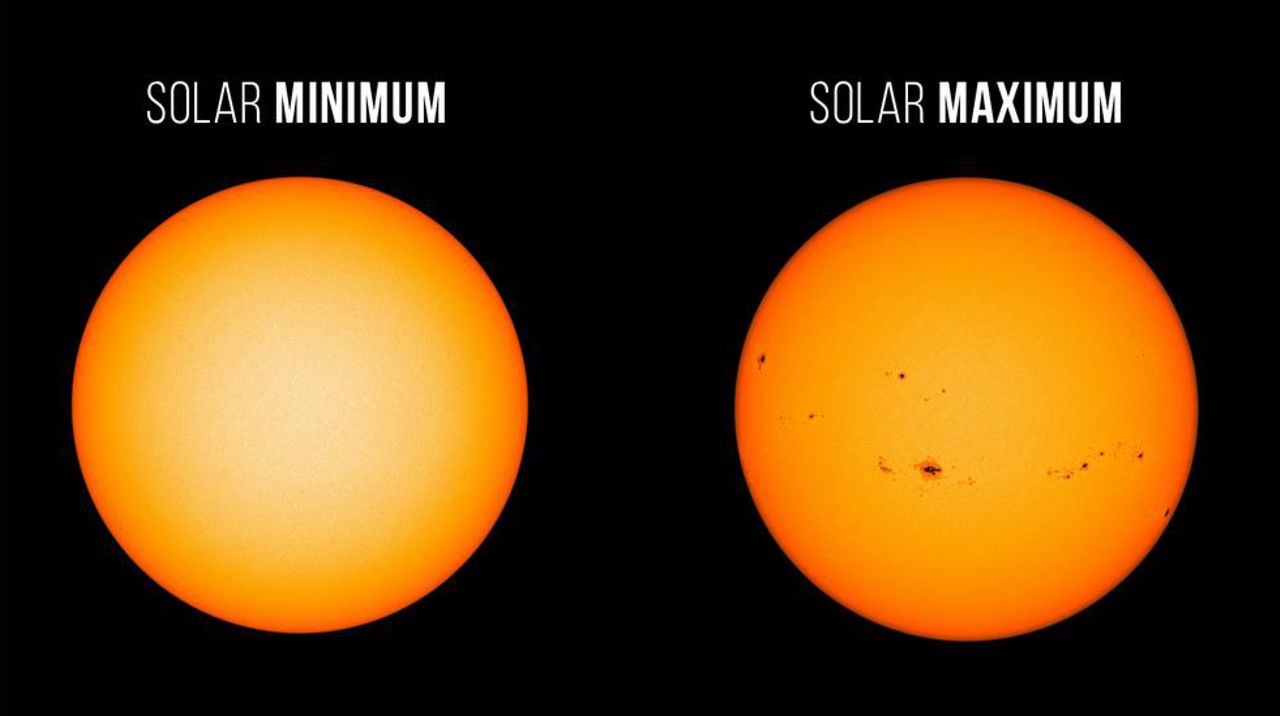
The Sun reaching its solar maximum marks the peak of its 11-year solar activity cycle, where sunspots, solar flares, and coronal mass ejections (CMEs) are at their highest. The solar maximum is the most active phase of the solar cycle (also known as the solar magnetic activity cycle). Here’s what typically happens after the Sun reaches its solar maximum:
Read more: The Solar Cycle: From Maximum to Minimum and Beyond

- Details
-
By Sæbjörn Leafslayer
- Parent Category: Natural Events
- Category: Space-Based or Other Cosmic Hazards
- 822
A Julian date (JD) is a continuous count of days and fractions of a day since a starting point in time. It’s primarily used in astronomy, science, and other fields where precise timekeeping is important. Here’s a breakdown of the Julian date system:
Read more: Understanding the Julian Date System: A Simplified Guide
- Details
-
By Sæbjörn Leafslayer
- Parent Category: Natural Events
- Category: Space-Based or Other Cosmic Hazards
- 798
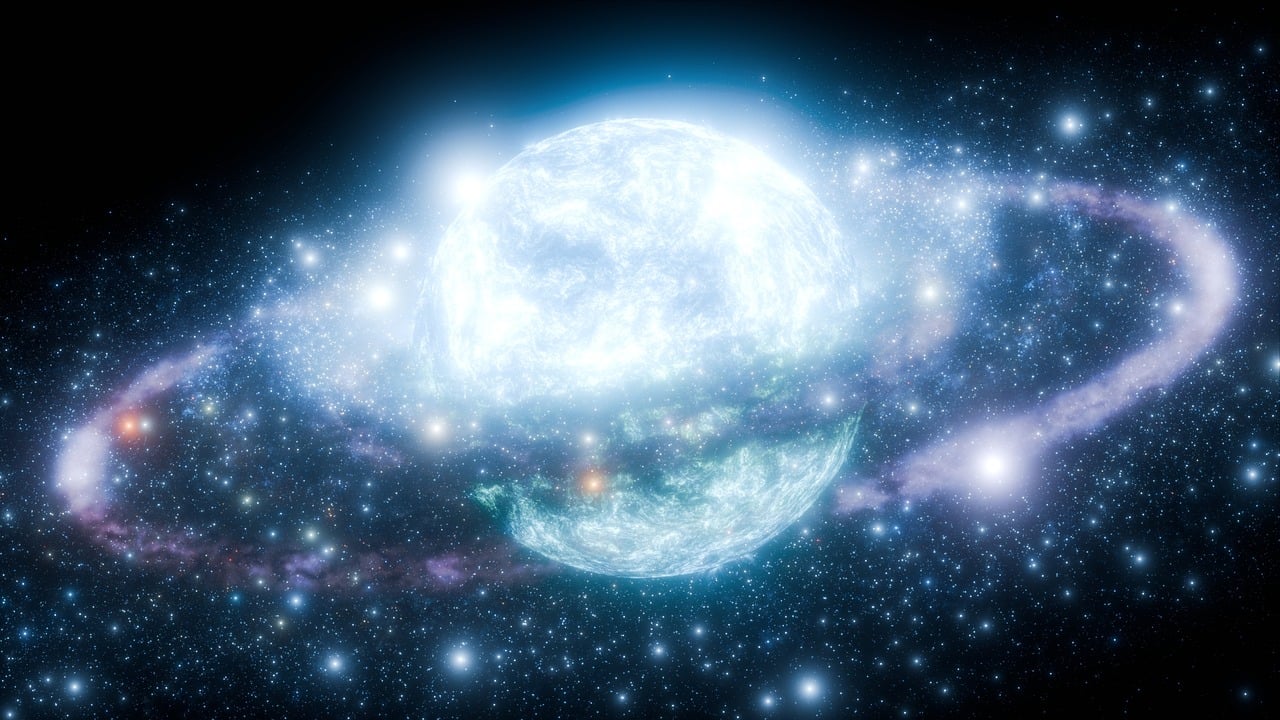
RX J1856.5-3754 is a type of neutron star known as an isolated neutron star or sometimes called a "magnificent seven" member, which is a group of X-ray emitting neutron stars. It is located approximately 400 light-years away from Earth in the constellation Corona Australis. Despite being a relatively close astronomical object, it poses no danger to Earth.
Here are some key points to consider: